

Dr. Arindam Rath is a highly experienced male & female fertility specialist in Kolkata, dedicated to helping individuals and couples achieve their dream of parenthood through evidence based, ethical, and personalized reproductive care. His approach to infertility treatment in Kolkata combines advanced fertility diagnostics, assisted reproductive technologies, and minimally invasive procedures, with comprehensive solutions tailored to each patient’s unique medical and emotional needs.

A transvaginal scan is an ultrasound examination performed through the vagina to assess the health and structure of the uterus and ovaries. It plays a crucial role in fertility evaluation by monitoring the development of ovarian follicles — the fluid-filled sacs that contain eggs — throughout a woman’s cycle. Tracking follicle growth (folliculometry) helps determine the optimal timing for ovulation, which is essential for interventions such as intrauterine insemination (IUI) or IVF cycles. This imaging \modality also evaluates uterine and ovarian anatomy to identify conditions that may impact fertility.
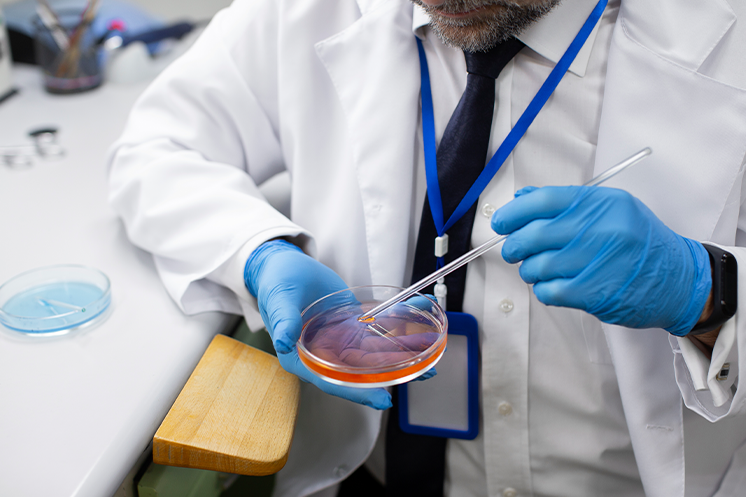
Ovum Pickup (also called egg retrieval) is a key step in assisted reproductive treatments such as IVF/ICSI. Under ultrasound guidance, a fine needle is used to retrieve mature eggs from the ovarian follicles after hormonal stimulation. The procedure is minimally invasive and typically performed under light sedation. Retrieved eggs are then fertilised with sperm in the laboratory, forming embryos for transfer.
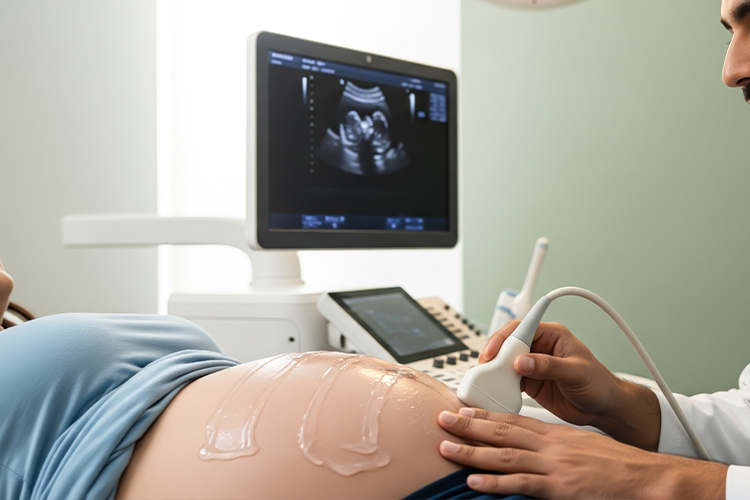
Sonosalpingography is a diagnostic procedure used to assess the patency (openness) of the fallopian tubes. During the test, saline is introduced into the uterus while an ultrasound is performed. The passage of fluid through the tubes is visualised, allowing clinicians to check for blockages that could prevent eggs and sperm from meeting naturally. This investigation is important in evaluating tubal factor infertility.
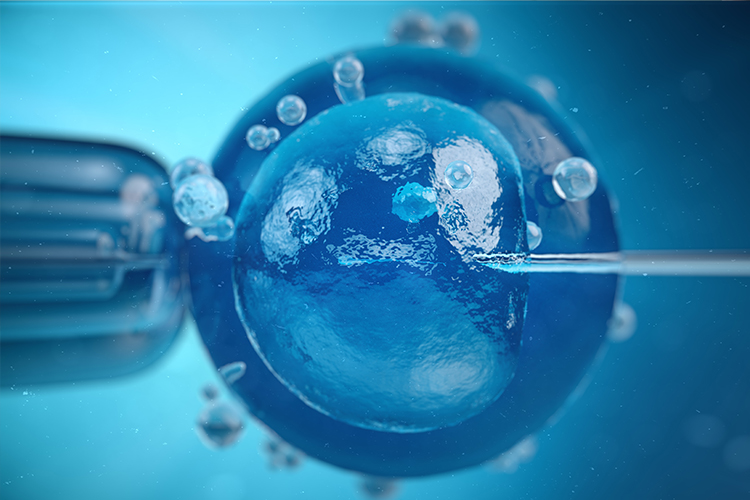
Embryo Transfer is the final step of IVF treatment. In this procedure, selected embryos — created by fertilising eggs with sperm in the lab — are carefully placed into the woman’s uterus using a soft catheter. The goal is to position the embryo where it has the best chance of implanting in the uterine lining and leading to a successful pregnancy. The timing of transfer is personalised based on embryo development and uterine readiness.
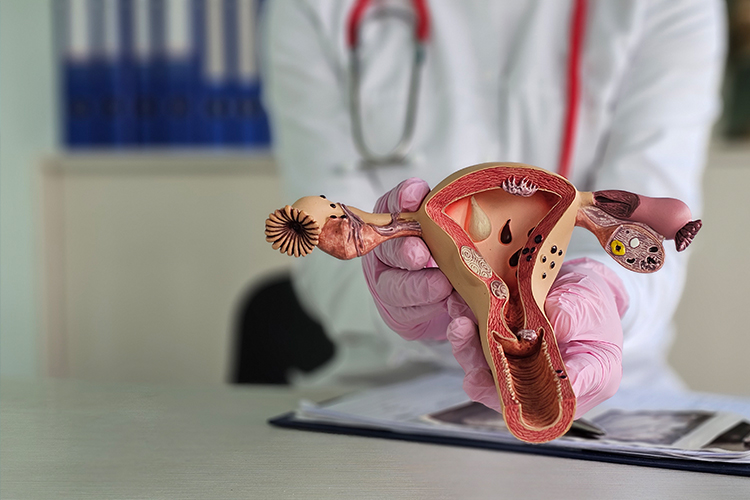
Endometrial Receptivity Array (ERA) Test is an advanced diagnostic test that identifies the optimal window of implantation in the uterine lining. The procedure involves taking a small biopsy of the endometrium, which is analysed for gene expression patterns to determine when the uterus is most receptive to an embryo. By personalising the timing of embryo transfer based on ERA results, clinicians aim to improve implantation success, particularly in patients with previous IVF failures.
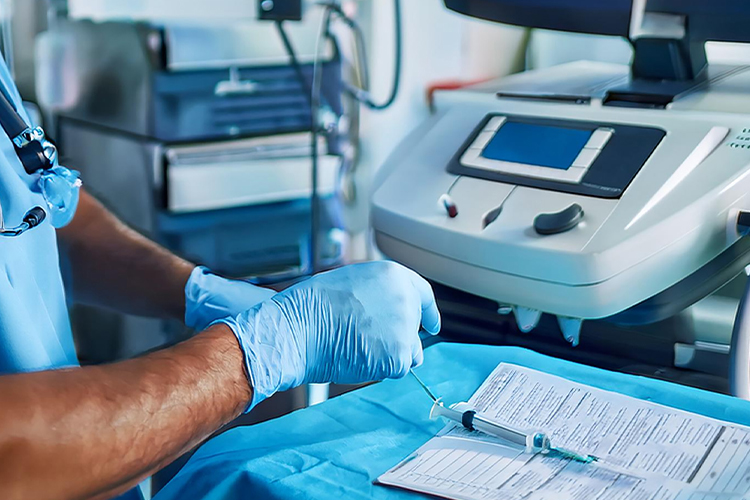
Hysteroscopy is a minimally invasive procedure that allows direct visualisation of the inside of the uterine cavity using a thin, lighted telescope. It is used to diagnose and treat uterine abnormalities such as polyps, fibroids, adhesions (intrauterine scar tissue), or congenital uterine anomalies that may affect fertility or embryo implantation. Hysteroscopy can be both diagnostic and therapeutic in a single setting.
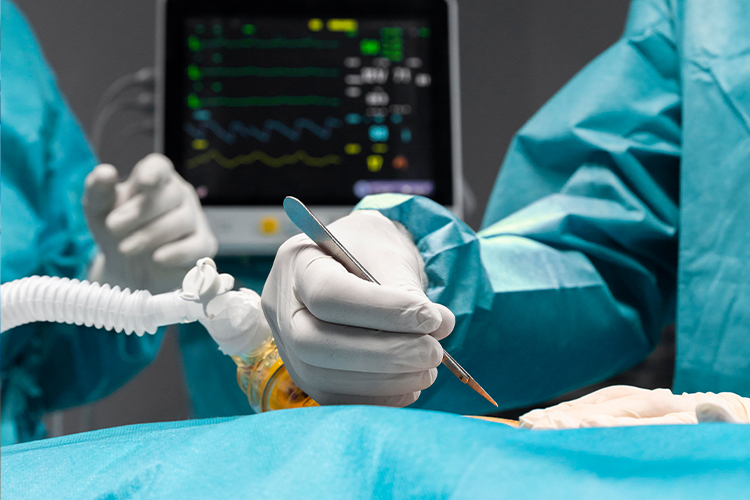
Intra-Uterine Insemination (IUI) is a fertility treatment in which processed sperm — from the husband or a selected donor — is directly placed into the uterus around the time of ovulation. This procedure increases the chances of sperm reaching the egg, particularly in cases of mild male factor infertility, cervical issues, or unexplained infertility. IUI is a less invasive and cost-effective option before considering more advanced reproductive techniques.
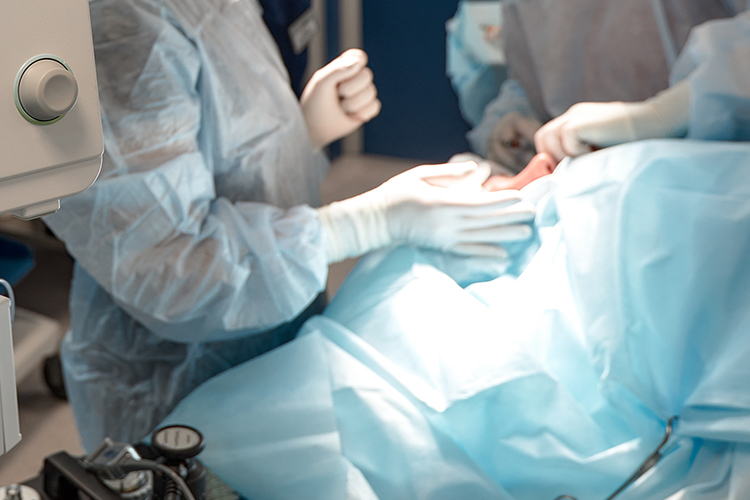
Cervical cerclage is a surgical procedure in which a stitch is placed around the cervix to reinforce it and prevent premature opening during pregnancy. This intervention is recommended for women with a history of cervical insufficiency or second-trimester losses. Cerclage helps maintain pregnancy and reduce the risk of early delivery when the cervix is weakened. This procedure is performed under anaesthesia and requires careful monitoring before and after placement.