


When we think about fertility, we often focus only on reproductive organs. But the truth is -fertility is influenced by the entire hormonal system of the body.
Two of the most important, yet often overlooked factors are thyroid function and blood sugar levels.
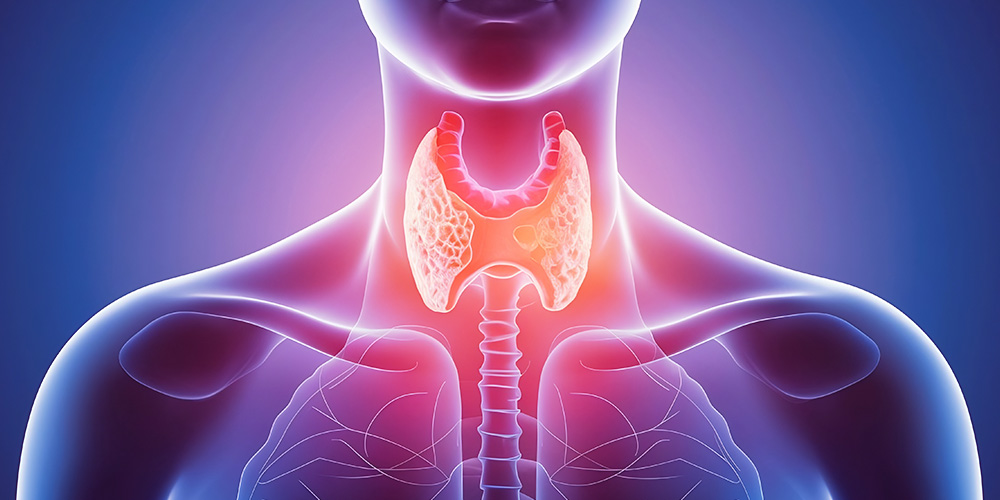
The Role of the Thyroid
The thyroid gland may be small, but its impact is significant.
It regulates metabolism, energy levels, and most importantly – hormonal balance.
When thyroid levels are not optimal, the effects can be subtle:
- Irregular menstrual cycles
- Delayed ovulation
- Reduced egg quality
- Increased risk of miscarriage
Understanding Blood Sugar & Insulin
Blood sugar imbalance, especially insulin resistance, is another silent disruptor.
It affects how your body processes energy but also how it regulates reproductive hormones.
Women with insulin resistance may experience:
- Hormonal imbalance
- PCOD-like symptoms
- Difficulty in ovulation
- Poor implantation
The Connection Between Thyroid & Sugar
These two conditions often coexist, and when they do, they can amplify each other’s effects.
The result?
A more complex challenge in achieving and sustaining pregnancy.
Why These Conditions Go Unnoticed
Because the symptoms are often mild:
- Fatigue
- Weight changes
- Mood fluctuations
They are easy to dismiss as part of everyday life.
What I Recommend
If you are planning pregnancy or facing difficulty conceiving, these tests are essential:
- Thyroid profile (TSH)
- Blood sugar levels (fasting, HbA1c)
Managing These Conditions
The good news is they are highly manageable.
With:
- Proper medication
- Balanced nutrition
- Regular monitoring
- Consistent lifestyle habits
Fertility outcomes can improve significantly.
Final Thought
Sometimes, the biggest barriers to fertility are not visible.
But when we identify and correct them, the path forward becomes much clearer.
Your body works as a system, when one part is balanced, everything begins to align.