
Preloader

Contacts

Mahendra Roy Lane, PS Pace – II, By pass Connector between Topsia more, 1/1A, JBS Haldane Ave, Gobra, Kolkata, West Bengal 700046
Book Appointment

Book Appointment

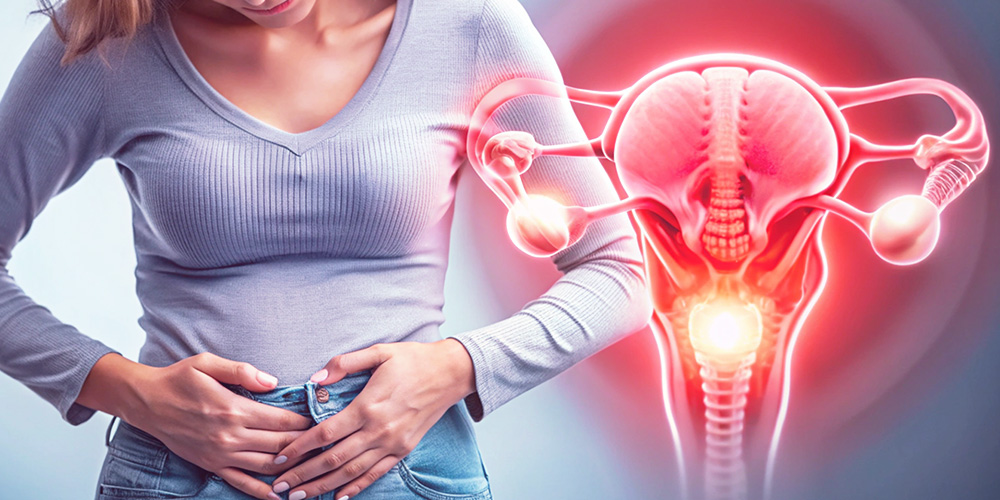
    Before Treatment, Ask Yourself This: Is My Lifestyle Supporting My Fertility?

    In today’s world, we often look for complex solutions to our problems.

    But when it comes to fertility, the answer often lies in something much simpler, your daily lifestyle.

    How Lifestyle Shapes Fertility

    Your body is constantly responding to how you live.

    What you eat, how you sleep, how you manage stress, these everyday choices directly influence your hormones, your cycles, and your reproductive health.

    The Key Areas That Matter

    1. Nutrition
      Food is not just fuel – it is information for your body.
      A balanced diet supports hormone production and overall health.
    2. Body Weight
      Being underweight or overweight can disrupt ovulation.
      Balance is key.
    3. Physical Activity
      Regular movement improves circulation, metabolism, and hormonal stability.
    4. Stress Management
      Chronic stress can delay ovulation and affect conception.
    5. Sleep Quality
      Hormonal repair happens during sleep. Poor sleep disrupts this process.
    6. Smoking & Alcohol
      These habits negatively impact egg and sperm quality.

    The Emotional Side of Lifestyle

    Fertility is not just physical, it is emotional.

    Stress, anxiety, and pressure can create a cycle that further impacts reproductive health.

    Simple Changes That Work
    • Eat fresh, home-cooked meals
    • Maintain a consistent daily routine
    • Include moderate exercise
    • Practice mindfulness or relaxation techniques
    • Stay hydrated

    These may seem small but their impact is profound.

    What I Tell My Patients

    Treatment doesn’t always begin with medication.
    Sometimes, it begins with awareness.

    When to Seek Medical Help

    If lifestyle changes alone are not enough, it’s important to seek professional guidance.

    There is no delay in asking for help only delay in results.

    Final Thought

    Fertility is not just about one moment; it is about how you live every day.

    Small, consistent choices create the foundation for new life.

    And sometimes, the simplest changes lead to the most meaningful outcomes.
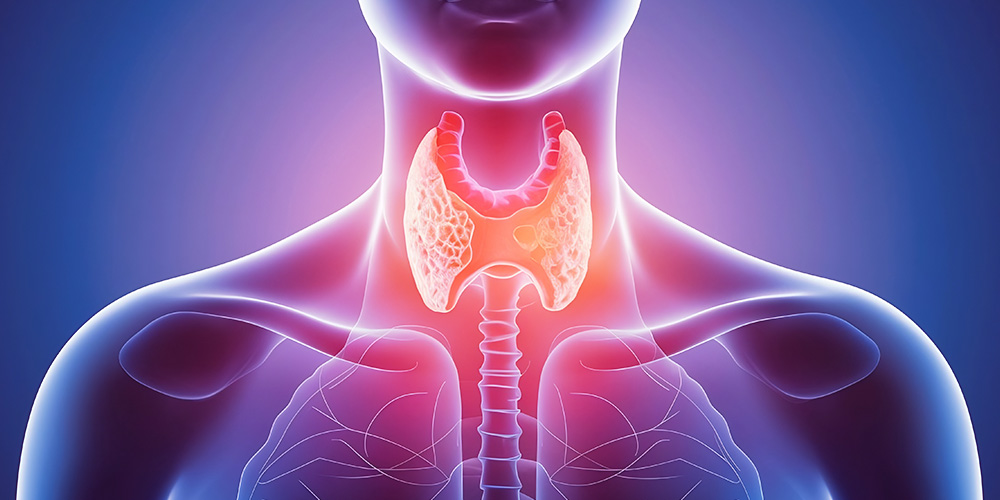
    Trying to Conceive but Struggling? Your Thyroid & Sugar Levels Might Hold the Answer

    When we think about fertility, we often focus only on reproductive organs. But the truth is -fertility is influenced by the entire hormonal system of the body.

    Two of the most important, yet often overlooked factors are thyroid function and blood sugar levels.

    The Role of the Thyroid

    The thyroid gland may be small, but its impact is significant.

    It regulates metabolism, energy levels, and most importantly – hormonal balance.

    When thyroid levels are not optimal, the effects can be subtle:

    • Irregular menstrual cycles
    • Delayed ovulation
    • Reduced egg quality
    • Increased risk of miscarriage

    Understanding Blood Sugar & Insulin

    Blood sugar imbalance, especially insulin resistance, is another silent disruptor.

    It affects how your body processes energy but also how it regulates reproductive hormones.

    Women with insulin resistance may experience:
    • Hormonal imbalance
    • PCOD-like symptoms
    • Difficulty in ovulation
    • Poor implantation

    The Connection Between Thyroid & Sugar

    These two conditions often coexist, and when they do, they can amplify each other’s effects.

    The result?
    A more complex challenge in achieving and sustaining pregnancy.

    Why These Conditions Go Unnoticed

    Because the symptoms are often mild:

    • Fatigue
    • Weight changes
    • Mood fluctuations

    They are easy to dismiss as part of everyday life.

    What I Recommend

    If you are planning pregnancy or facing difficulty conceiving, these tests are essential:

    • Thyroid profile (TSH)
    • Blood sugar levels (fasting, HbA1c)

    Managing These Conditions

    The good news is they are highly manageable.

    With:

    • Proper medication
    • Balanced nutrition
    • Regular monitoring
    • Consistent lifestyle habits

    Fertility outcomes can improve significantly.

    Final Thought

    Sometimes, the biggest barriers to fertility are not visible.

    But when we identify and correct them, the path forward becomes much clearer.

    Your body works as a system, when one part is balanced, everything begins to align.

    Before You Light That Cigarette… Think About Who’s Breathing With You

    Pregnancy is often described as one of the most beautiful journeys in life. But it is also one of the most delicate.

    Every choice you make during this time – no matter how small it seems- has an impact. And among all lifestyle habits, smoking is one of the most harmful.

    What Really Happens When You Smoke

    When a pregnant woman smokes, the effects are not limited to her body.

    Each cigarette releases harmful chemicals like nicotine and carbon monoxide. These substances reduce oxygen levels in the blood and that oxygen is what your baby depends on for growth.

    In simple terms, smoking means your baby is receiving less oxygen than it needs.

    The Risks We Commonly See

    In clinical practice, the effects of smoking during pregnancy are very real.

    • Miscarriage risk increases
    • Babies may be born prematurely
    • Birth weight is often lower than normal
    • Placental complications can occur

    And sometimes, the impact extends beyond birth affecting the child’s long-term health.

    The Often-Ignored Danger: Passive Smoking

    Many women say, “I don’t smoke, doctor.”

    But when we ask about their environment, we find exposure to second-hand smoke at home, at work, or in social settings.

    Even this indirect exposure can:

    • Affect fertility
    • Reduce oxygen supply to the baby
    • Increase pregnancy complications

    Smoking & Fertility

    Smoking doesn’t just affect pregnancy it also affects the ability to conceive.

    It impacts:

    • Egg quality
    • Hormonal balance
    • IVF success rates

    In many cases, quitting smoking improves fertility outcomes significantly.

    The Challenge of Quitting

    I understand that quitting is not always easy. It’s not just a physical habit—it’s emotional, psychological, and often deeply ingrained.

    But pregnancy changes the perspective.

    It is no longer just about you – it is about a life growing within you.

    Practical Steps Toward Quitting
    • Seek professional guidance
    • Identify and avoid triggers
    • Replace habits with healthier alternatives
    • Surround yourself with a supportive, smoke-free environment

    Final Thought

    Pregnancy is a time of protection, care, and responsibility.

    Choosing not to smoke is not just a health decision, it is an act of love.

    Because sometimes, the most powerful thing you can do… is simply stop.

    PCOD Doesn’t Always Shout… Are You Listening Closely Enough?

    There’s a certain pattern I often see in my consultation room.
    A woman walks in, calm but confused, and says, “Doctor, I don’t understand… everything seemed normal.”

    And yet, when we look deeper, we discover something that had been quietly present for years-PCOD.

    Polycystic Ovary Disorder doesn’t always announce itself loudly. It doesn’t always disrupt life in obvious ways. Instead, it works silently in the background, slowly altering hormonal balance, affecting ovulation, and eventually – fertility.

    The Subtle Signs We Often Ignore

    PCOD is rarely dramatic in its early stages. It’s subtle. It’s easy to overlook.

    You may notice your periods are slightly irregular, but not enough to raise concern. Maybe your cycle shifts by a few days every month. It doesn’t feel alarming but your body is trying to tell you something.

    You might experience gradual weight gain, especially around the abdomen. You try to eat right, maybe even exercise but the weight doesn’t respond the way it used to.

    Your skin may feel oilier. Occasional acne appears, even when you’re past your teenage years. Some women notice unwanted hair growth on the chin, upper lip, or body. Others feel concerned about hair thinning, watching their hair lose volume over time.

    Individually, these signs don’t seem significant. But together, they form a pattern.

    What Happens Inside the Body

    PCOD disrupts the delicate hormonal rhythm that controls ovulation.

    Each month, your body is supposed to mature and release an egg. But with PCOD, this process becomes inconsistent. Eggs may not mature properly, or they may not be released at all.

    And this is where many women face challenges because ovulation is the cornerstone of conception.

    The Emotional Side of PCOD

    What makes PCOD difficult is not just the condition itself but the delay in awareness.

    By the time many women realize something is wrong, they are already trying to conceive. And that’s when the emotional weight begins confusion, frustration, and sometimes self-doubt.

    What I Tell My Patients

    PCOD is not a failure of your body. It is a condition that needs understanding, not fear.

    The good news is it is manageable.

    With the right approach:
    • Hormones can be balanced
    • Ovulation can improve
    • Fertility outcomes can significantly increase
    Small Changes That Make a Big Difference
    • Maintaining a healthy weight
    • Following a balanced, low-glycemic diet
    • Regular physical activity
    • Managing stress levels
    • Getting timely medical guidance

    These are not temporary fixes – they are long-term investments in your reproductive health.

    When Should You Seek Help?

    If your periods are irregular, or if you’ve been trying to conceive without success, don’t wait for things to “fix themselves.”

    Early intervention changes outcomes.

    Final Thought

    Your body rarely fails you – it communicates.
    PCOD is simply one of those quiet conversations.

    The sooner you listen, the sooner you can respond and the closer you move toward a healthy, hopeful future.