
Preloader

Contacts

Mahendra Roy Lane, PS Pace – II, By pass Connector between Topsia more, 1/1A, JBS Haldane Ave, Gobra, Kolkata, West Bengal 700046
Book Appointment

Book Appointment

    Fertility Tests & Procedures in Kolkata

    Accurate diagnosis is the foundation of successful fertility care. Dr. Arindam Rath performs a full range of scans, tubal tests and minimally invasive procedures, from transvaginal scans and folliculometry to hysteroscopy, ERA testing and cerclage.

    Couple discussing fertility tests with a clinician
    7specialised procedures

    Accurate tests, gentle procedures

    Each of the procedures below is chosen for a specific reason in your fertility plan. Dr. Rath explains why a test is needed, what it involves, and how the result will change your treatment, before it is done.

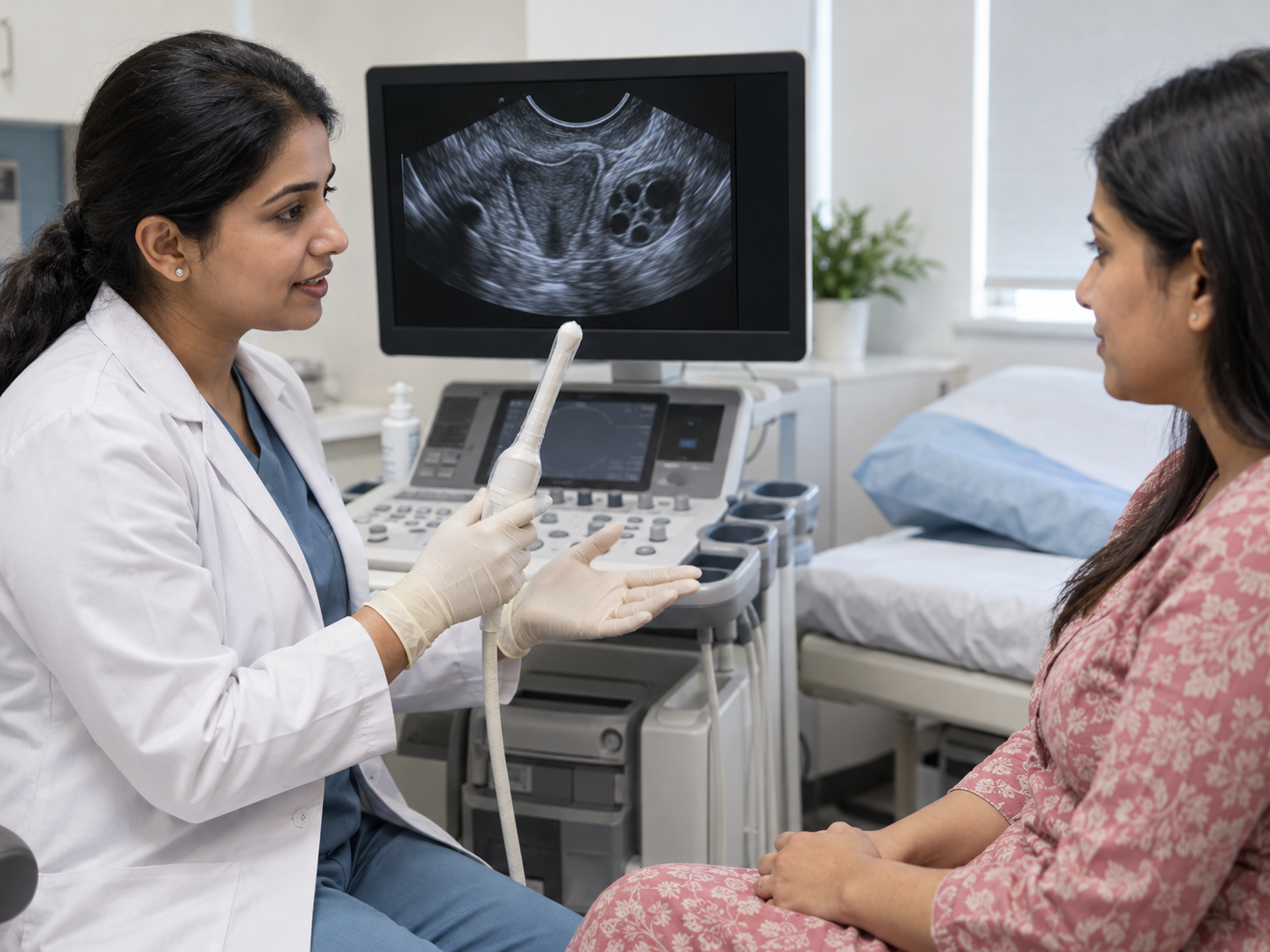
    Clinician explaining a transvaginal ultrasound probe and scan to a patient
    Diagnostic scan

    Transvaginal Scan

    A transvaginal scan is an ultrasound examination performed through the vagina, providing a clearer and more detailed view of the uterus and ovaries compared to an abdominal scan. It checks the uterine lining, the antral follicle count (an indicator of egg reserve), and conditions such as fibroids, polyps, ovarian cysts and PCOD.

    • Takes 10–15 minutes, no full bladder needed
    • Usually done early in the cycle as part of your first evaluation
    • Also used to monitor IVF stimulation and early pregnancy

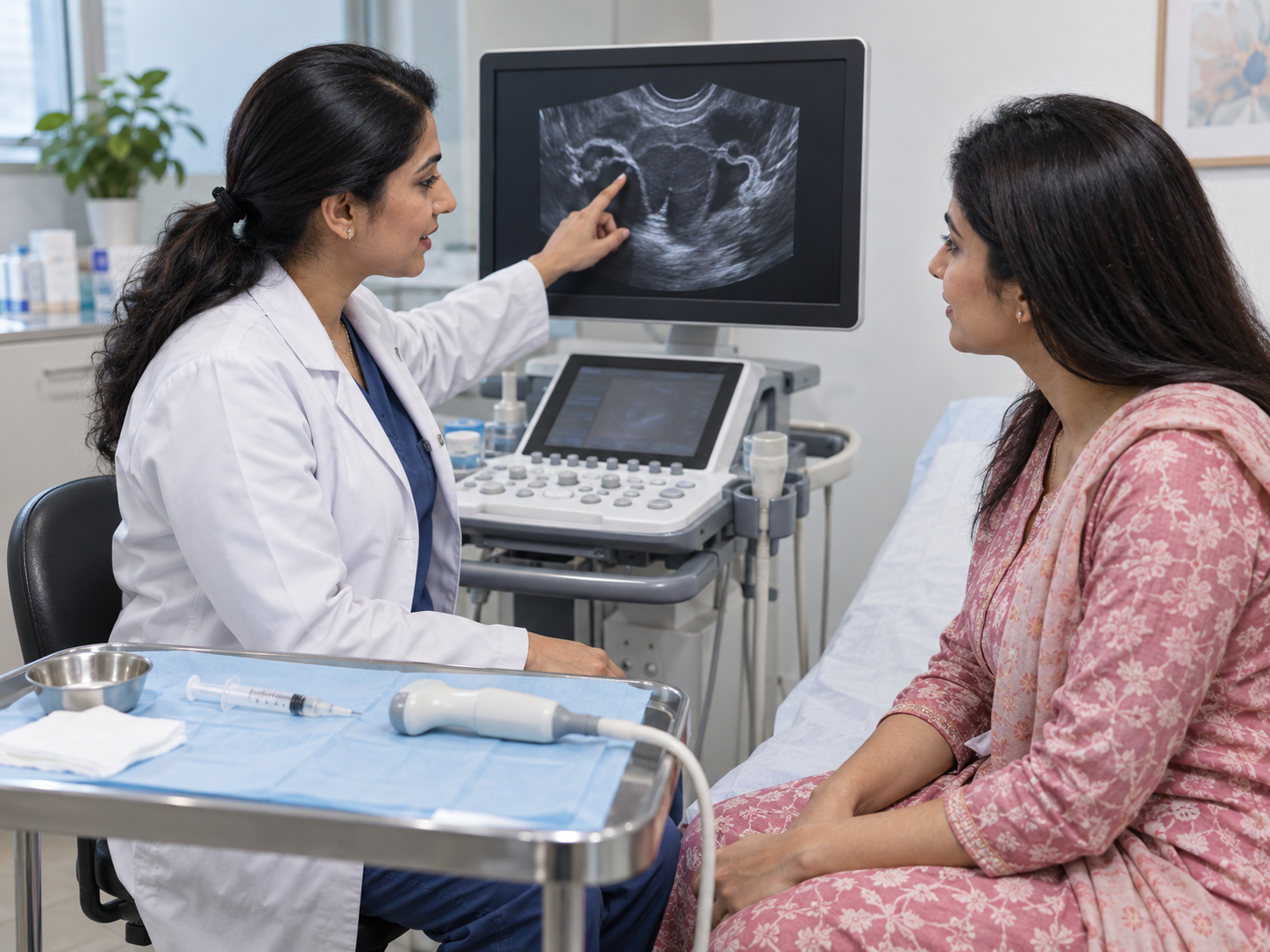
    Fertility specialist reviewing an ovarian follicle scan with a patient
    Ovulation tracking

    Folliculometry

    Folliculometry is a series of transvaginal scans that track how ovarian follicles, the fluid-filled sacs that hold eggs, grow during a cycle. Measuring them helps confirm whether and when you ovulate, and gives the best timing for natural intercourse, IUI or trigger injections in IVF.

    • Scans start around day 8–10 of the cycle
    • Repeated every 1–3 days until ovulation
    • Essential for PCOD and ovulation induction cycles
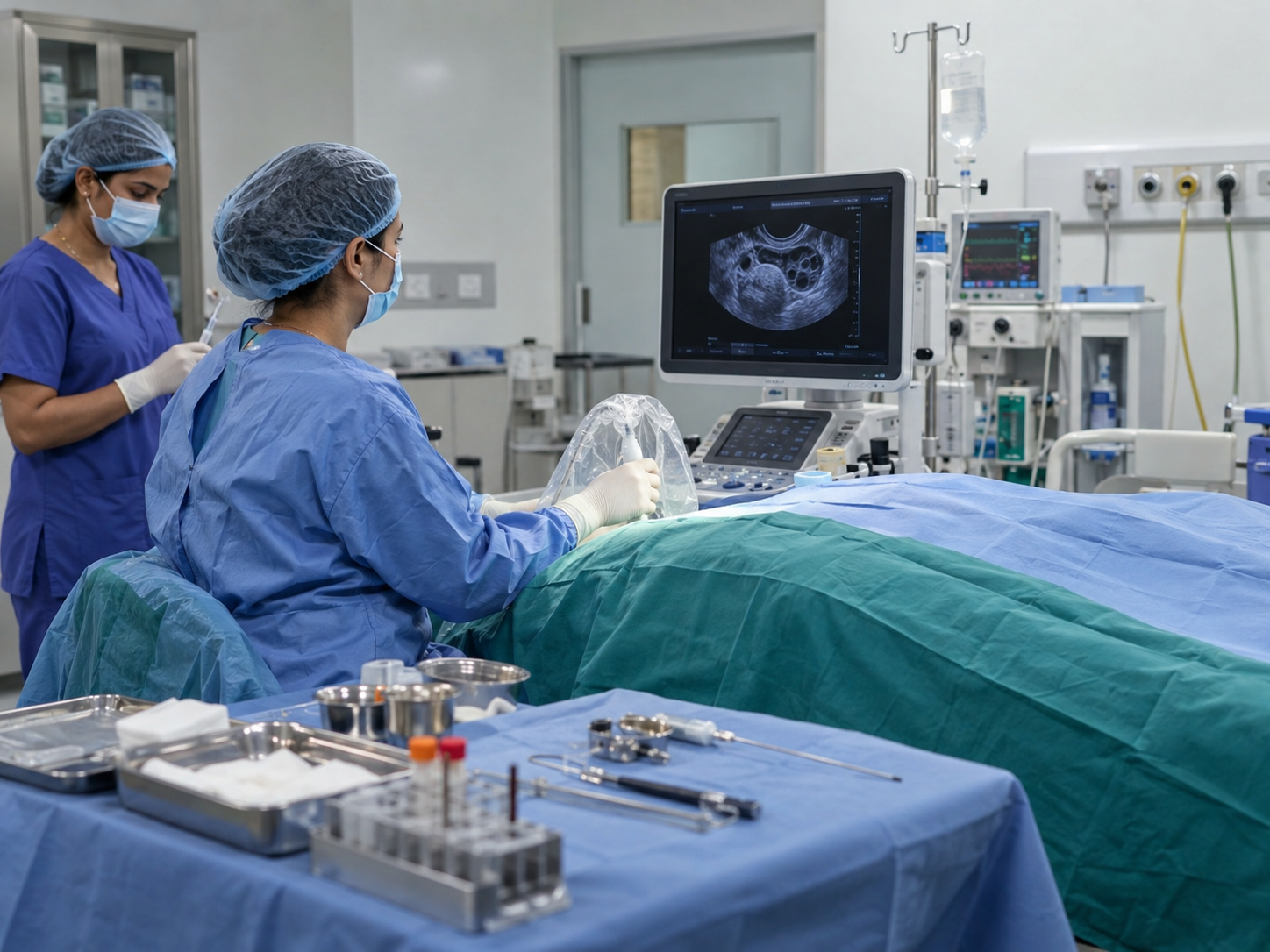
    Clinical team preparing for ultrasound guided egg retrieval
    IVF procedure

    Ovum Pickup (Egg Retrieval)

    Ovum pickup is a key step in IVF and ICSI. After hormonal stimulation, mature eggs are collected from the ovarian follicles using a fine needle guided by transvaginal ultrasound. The eggs then go straight to the embryology lab to be fertilised.

    • Performed under light sedation, about 15–30 minutes
    • Day-care procedure; most women go home within a few hours
    • Mild cramping for a day or two is common
    Fertility clinician reviewing a tubal patency ultrasound with a patient
    Tubal test

    Sonosalpingography (SSG)

    Sonosalpingography checks whether the fallopian tubes are open. Sterile saline is introduced into the uterus while an ultrasound scan watches the fluid pass through the tubes. Blocked tubes stop the egg and sperm from meeting, so this test is important in assessing tubal factor infertility.

    • Done after the period ends and before ovulation
    • No radiation exposure
    • Also outlines the uterine cavity for polyps or fibroids
    Laboratory scientist analysing an endometrial biopsy sample
    Advanced diagnostic

    Endometrial Receptivity Array (ERA) Test

    The ERA test identifies your personal window of implantation, the short period when the uterine lining is most ready to accept an embryo. A small sample of the lining is taken and analysed for gene activity, and the result guides the exact timing of a frozen embryo transfer.

    • Mainly advised after repeated implantation failure
    • Done in a mock cycle that mimics your transfer preparation
    • Simple outpatient biopsy taking a few minutes
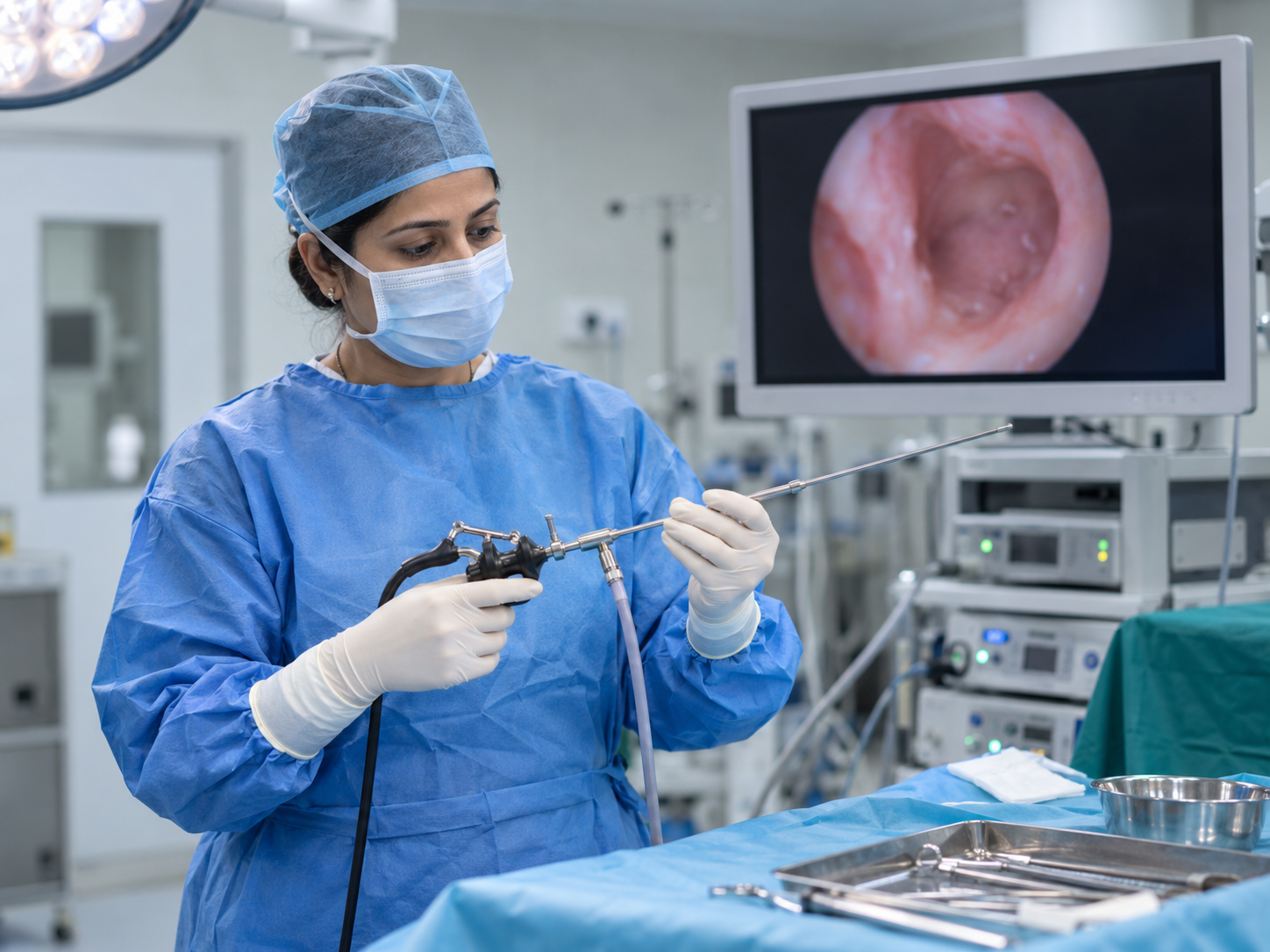
    Gynecologic surgeon preparing a hysteroscope in an operating room
    Minimally invasive

    Hysteroscopy

    Hysteroscopy lets Dr. Rath look directly inside the uterus with a thin, lighted telescope passed through the cervix, without any cuts on the abdomen. It can diagnose and, in the same sitting, treat polyps, fibroids, scar tissue (adhesions) and a uterine septum that may affect implantation.

    • Diagnostic and operative in one procedure
    • Short anaesthesia, usually day care
    • Often recommended before IVF in selected women
    Pregnant woman discussing cervical monitoring with a clinician
    Pregnancy support

    Cervical Cerclage

    Cervical cerclage is a stitch placed around the cervix to strengthen it and keep it closed during pregnancy. It is recommended for women with cervical insufficiency or a history of second-trimester loss, and helps reduce the risk of premature delivery.

    • Usually placed at 12–14 weeks of pregnancy
    • Done under anaesthesia with careful monitoring
    • Stitch is removed at about 36–37 weeks

    Why couples choose Dr. Rath

    Every case is reviewed by Dr. Rath personally, from the first consultation to the final scan, so you are never passed from one unfamiliar face to the next.

    Experience

    18+ years in reproductive medicine, with a careful, evidence-based approach to diagnosis before any treatment is suggested.

    Counselling

    Time to listen and explain. You will understand your reports, your options and the reasoning behind each step.

    Continuous learning

    Treatment plans reflect current fertility science, with nothing recommended that your situation does not actually need.

    Frequently asked questions

    Which fertility tests will I need?

    Not everyone needs every test. Most couples begin with hormone tests, a transvaginal scan and a semen analysis. Sonosalpingography, hysteroscopy or ERA are added only when your history or earlier results point to them.

    Is a transvaginal scan painful?

    It is usually painless, with mild pressure at most. A slim probe is gently placed in the vagina and the scan takes about 10–15 minutes. You do not need a full bladder.

    How many folliculometry scans are needed in a cycle?

    Typically three to five scans, starting around day 8–10 of the cycle and repeated every one to three days until the follicle is ready or ovulation is confirmed.

    Is ovum pickup done under anaesthesia?

    Yes, under light sedation, so you are comfortable throughout. The procedure takes about 15–30 minutes and you usually go home the same day.

    When is cervical cerclage done?

    Usually between 12 and 14 weeks of pregnancy in women with a history of cervical weakness or second-trimester loss. In some cases it is placed later, based on scan findings of a shortening cervix.

    Your miracle starts with a conversation.

    Find out which tests you really need, and why.

    Book AppointmentCall 93303 21623